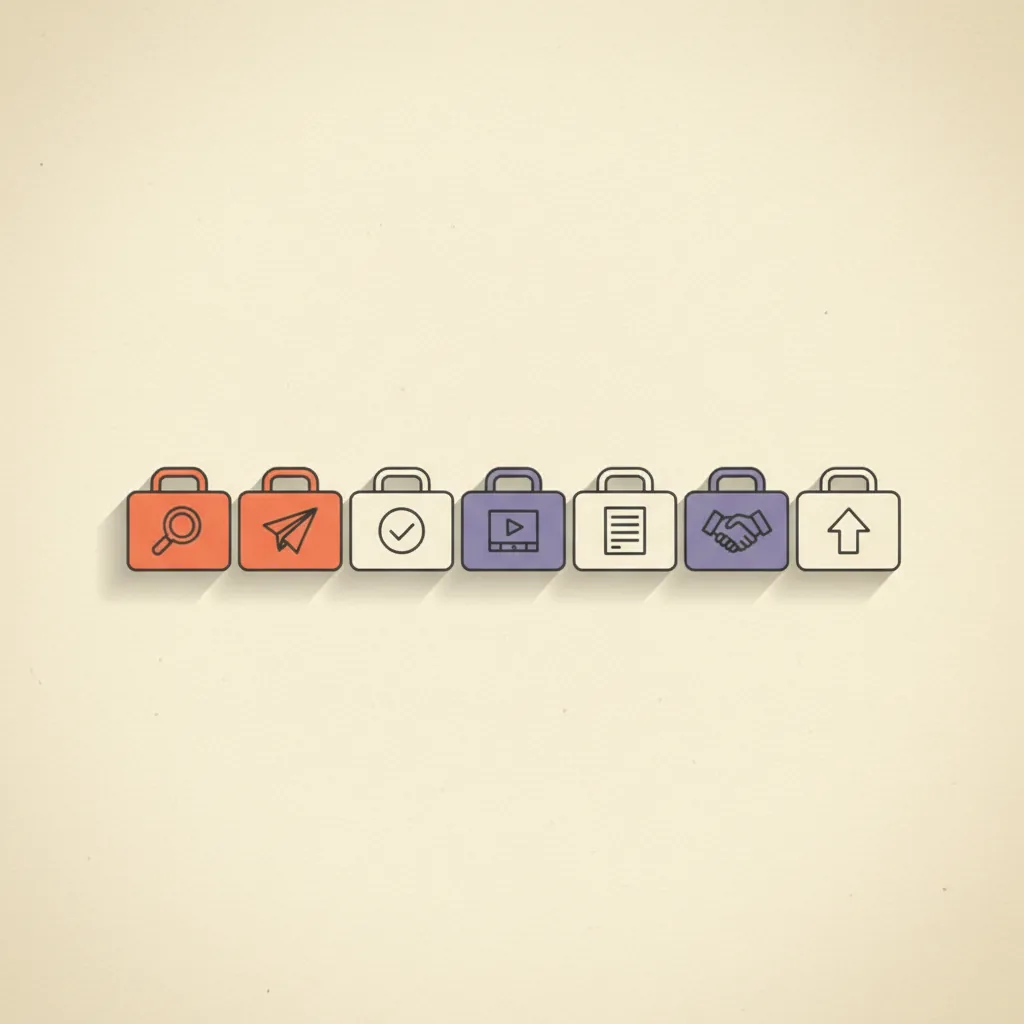
A 5-rep sales team running the enterprise AI stack — Outreach + Gong + ZoomInfo + Salesforce Einstein + DocuSign CLM — costs roughly $98,000 a year in tooling alone. The same 5-rep team running Smartlead + Granola + Apollo + HubSpot Free + PandaDoc with custom Claude scripts spends about $8,400 a year. The 12x spread is real, but the right answer is rarely the cheap stack — and the wrong answer is buying the expensive stack because it looks safer.
Most "best AI sales tools" listicles rank by feature count or G2 review volume. Neither tells an operator what to actually buy. A B2B sales motion has seven stages, each with different tooling needs and different ways of failing, and the best pick depends on which stage is currently bleeding. This post maps the operator-tested stack across all seven stages, gives real April 2026 pricing on every named product, and calls out where each tool fails in production. Numbers come from active client work and tool billing through April 2026; names and prices are accurate at time of writing and shift quarterly.
The short list, by stage
Pick by stage, not by category. The bundling that makes sense for a 200-person sales org makes the wrong stack for a 5-person one.
| Stage | Best pick | Pricing (Apr 2026) | When to choose |
|---|---|---|---|
| Prospecting | Apollo.io | $49–$149/mo per user | Default for B2B SaaS; Clay for power users |
| Outbound (cold email) | Smartlead | $39–$99/mo | Best deliverability infrastructure |
| Outbound (multi-channel) | Reply.io | $59–$200/mo per user | Email + LinkedIn + voice in one |
| AI SDR replacement | 11x.ai or Regie.ai | $1,500–$5,000/mo | Pilot 60 days before committing |
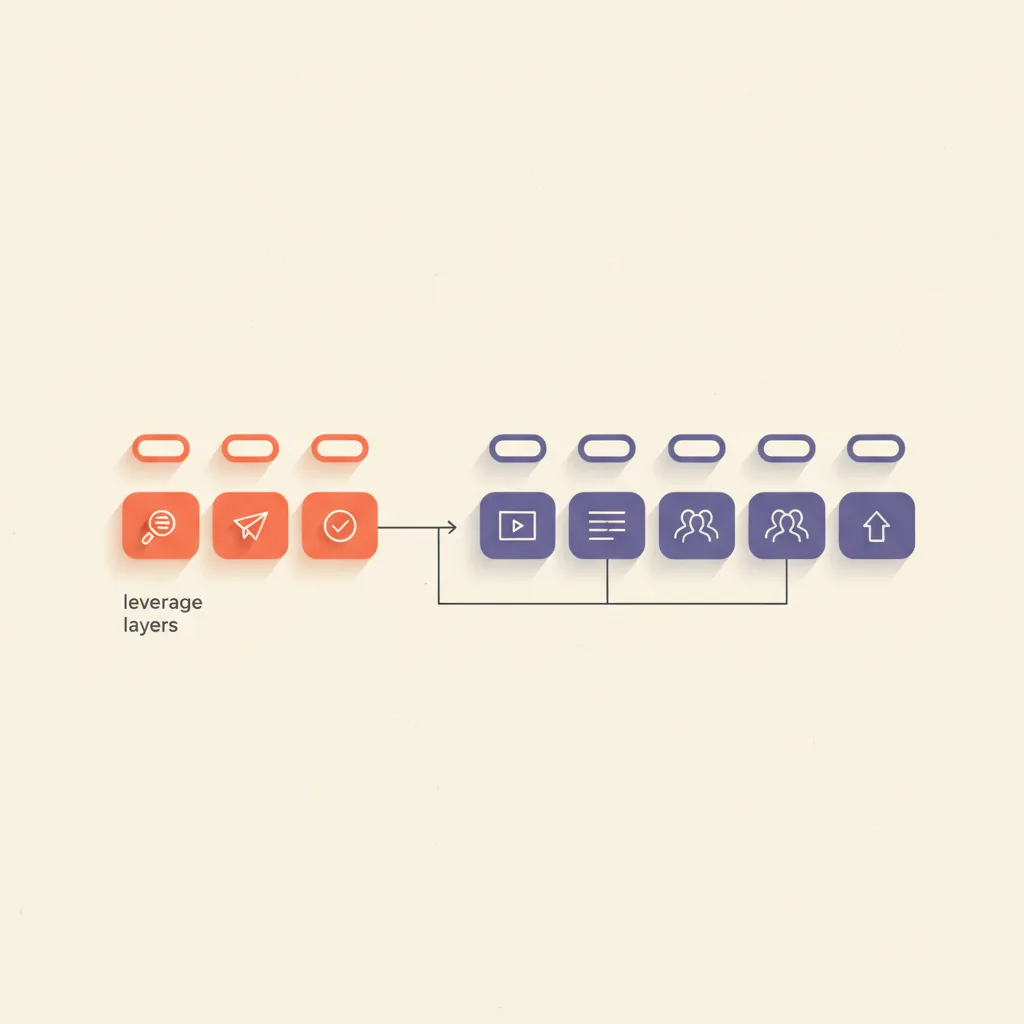
| Qualification / routing | Default | $400–$1,500/mo | The least-discussed leverage layer |
| Call recording (light) | Granola | $14–$25/mo per user | Under-50-person teams |
| Call recording (heavy) | Gong | $1,200+/seat/year | 50+ person sales orgs only |
| Proposal | PandaDoc | $19–$65/user/mo | SOW-style proposals at volume |
| CRM with AI | HubSpot Sales Pro | $90/seat/mo | Default unless Salesforce-native |
Tools by stage of the sales funnel
Each stage has a different surface area and a different failure mode. A team that picks the right tool for stage 1 and the wrong tool for stage 3 ends up with a calendar full of bad meetings, and the fix is not better outbound — it is the qualification layer.
Prospecting — Apollo, Clay, Common Room, LeadMagic
- Apollo.io — $49–$149/mo per user. Default pick for general B2B prospecting. Reasonable contact and intent database, decent enrichment, signal mining for job changes, funding events, and hiring intent. The one tool most outbound motions can start with on day one.
- Clay — $149–$800/mo. The power-user pick for custom enrichment workflows. Wires 80+ data providers into one table and runs AI prompts per row. Steeper learning curve; pays off at the enterprise end.
- Common Room — $999+/mo. Tracks signals from Slack, Discord, GitHub, LinkedIn, podcasts. The right pick for product-led-growth motions where the buyer is already in the community.
- LeadMagic — $99–$500/mo. Lighter alternative focused on cleaner waterfalls and fewer false positives.
What good looks like at this stage: a 100-account ICP list enriched with 5+ signals each, scored, ranked, ready to feed outbound. What bad looks like: a 10,000-row dump from Apollo with no scoring layer pushed straight into the email tool.
Outbound — Smartlead, Instantly, Reply.io, Outreach
- Smartlead — $39–$99/mo. The cold-email infrastructure pick. Inbox warmup, multi-domain rotation, deliverability monitoring. Pair with a real ICP list, not a scraped one.
- Instantly — $30–$97/mo. Direct competitor to Smartlead with similar feature set. Pick on UI preference; the engine differences are minor.
- Reply.io — $59–$200/mo per user. Multi-channel sequencing across email, LinkedIn, and voice. Heavier than Smartlead; better fit for SMB-up SDR teams that need real reporting.
- Outreach — enterprise pricing, $130+/user/mo with annual contracts. The category leader for 50+ person sales orgs. Heavy reporting, deep Salesforce integration. Overkill below $5M ARR.
The unsolved problem at this stage in 2026: AI-generated cold email at scale poisoned domain reputation in 2025 and triggered tighter SPF/DKIM/DMARC enforcement from Google and Microsoft. Teams that ship AI outbound without rotating sender domains, monitoring spam folder placement, and using plain-text formats see reply rates collapse within 6 weeks. The tool matters less than the deliverability discipline.
AI SDR replacement — 11x.ai, Regie, Bosh, Artisan
- 11x.ai (Alice) — $1,500–$5,000/mo. The category leader for autonomous outbound. Generates copy, sends sequences, replies to inbound, books meetings without a human SDR. Quality varies by ICP; works best in well-defined verticals.
- Regie.ai — $59–$179/mo. The lighter pick. Sits between manual outbound tools and full autonomous SDRs. Useful as a bridge before committing to 11x-tier spend.
- Bosh — pricing on request, typically $2,000+/mo. Strong in enterprise B2B with longer sales cycles.
- Artisan — $1,500–$3,500/mo. Newer entrant, marketing-led. Pilot before committing.
Qualification — Default, Chili Piper, Calendly with AI
- Default — $400–$1,500/mo. Inbound routing, lead scoring, pre-meeting enrichment in one product. The cleanest "AI between form-fill and AE calendar" pick. Most under-rated tool in the AI sales space in 2026.
- Chili Piper — $20–$45/user/mo. Routing and instant booking. Less AI-flavored, more reliable. Mature product, predictable behavior.
- Calendly + AI prep tools — $20–$50/user/mo combined. Calendly handles booking; pair with Crystal Knows or a custom Claude script for pre-meeting research briefs. The cheap-stack pick.
Qualification is the most under-invested AI layer in the typical B2B stack. The tools at the prospecting and outbound stages produce volume; without a qualification layer, that volume becomes a calendar full of bad meetings. Default exists in part because every operator audit of a broken AI sales engine ends at this missing layer.
Discovery and call recording — Gong, Chorus, Granola, Fathom, Avoma
- Gong — $1,200+/seat/year. Category leader. Strongest at deal-level analytics, manager review, deal-risk flagging. Heavy and expensive.
- Chorus.ai — similar pricing, bundled with ZoomInfo. The pick if a ZoomInfo license already exists.
- Granola — $14–$25/mo per user. Lightweight transcription and AI summarization. Runs locally on the laptop, works in any meeting tool. Pick this for under-50-person teams.
- Fathom — free tier and $19+/mo paid tiers. Direct Granola competitor. Slightly weaker AI summaries, slightly better integration story.
- Avoma — $19–$49/user/mo. Sits between Granola and Gong. Useful when manager-review tooling matters but Gong is too expensive.
The hidden cost: AEs who lean on AI summaries instead of taking real notes lose context retention across the deal cycle. A 10-call deal where every call was summarized by AI but never re-read produces an AE who knows nothing about the prospect by call 11. The tool helps; the discipline of reviewing the output is what compounds.
Proposal and contract — DocuSign Contract AI, PandaDoc, Tome, Pitch
- PandaDoc — $19–$65/user/mo. Proposal-specific tooling with AI assist for sections. Stronger than general slide tools for SOW-style proposals at volume.
- DocuSign Contract AI — enterprise-priced. Redline review, clause analysis, risk flagging. The right tool for legal-heavy sales motions.
- Tome / Pitch / Beautiful.ai — $15–$50/mo per user. AI-generated decks. Useful for proposal narrative; the financials still need a human.
- Custom Claude templates — best for templated proposals with high volume. Plug CRM data into a Claude prompt with a fixed template; outputs a finished SOW in under a minute.
AI hallucinations on pricing terms or scope language create real liability at this stage. Every AI-generated proposal needs human review before send. Treat AI proposal tools as a draft accelerator, never as a send-ready output.
CRM with AI — HubSpot AI, Salesforce Einstein, Pipedrive AI
- HubSpot Sales Pro — $90/seat/mo. Default CRM pick for under-100-person sales orgs. AI features (deal scoring, email assistant, forecasting) are bundled and improving fast. Free tier covers basic CRM if budget is tight.
- Salesforce Sales Cloud + Einstein — $50/user/mo Einstein add-on on top of Sales Cloud licenses ($165+/user/mo). Heavy, customizable, expensive. The right pick for 100+ person orgs with central RevOps.
- Pipedrive AI — $35–$99/user/mo. Lighter alternative with AI sales assistant. Strong for small SMB sales teams that find HubSpot too heavy.
The CRM-AI race is the fastest-moving piece of the AI sales space in 2026. HubSpot AI and Salesforce Einstein are improving fast enough that point-solution add-ons need a real reason to exist by end of year. See the full HubSpot vs Salesforce comparison for the deeper CRM analysis.
Pricing comparison — what each named tool actually costs
All prices below are April 2026, sourced from each platform's public pricing page or current client billing. Tiers shift quarterly; verify before signing.
| Tool | Stage | Entry tier | Typical landing tier |
|---|---|---|---|
| Apollo.io | Prospecting | $49/mo per user | $99/mo per user |
| Clay | Prospecting | $149/mo | $349/mo |
| Common Room | Prospecting | $999/mo | $2,500+/mo |
| Smartlead | Outbound (cold email) | $39/mo | $99/mo |
| Instantly | Outbound (cold email) | $30/mo | $97/mo |
| Reply.io | Outbound (multi-channel) | $59/mo per user | $99/mo per user |
| Outreach | Outbound (enterprise) | $130/user/mo | $165/user/mo |
| 11x.ai | AI SDR replacement | $1,500/mo | $3,000/mo |
| Regie.ai | AI SDR assist | $59/mo | $179/mo |
| Default | Qualification | $400/mo | $800/mo |
| Chili Piper | Qualification | $20/user/mo | $45/user/mo |
| Granola | Call recording | $14/mo | $25/mo |
| Fathom | Call recording | Free / $19/mo | $19–$29/mo |
| Avoma | Call recording | $19/user/mo | $49/user/mo |
| Gong | Call recording (heavy) | $1,200/seat/year | $1,800/seat/year |
| PandaDoc | Proposal | $19/user/mo | $49–$65/user/mo |
| DocuSign Contract AI | Contract | Enterprise | Enterprise |
| HubSpot Sales Pro | CRM with AI | $90/seat/mo | $90/seat/mo |
| Salesforce Einstein | CRM with AI | $50/user/mo add-on | $50/user/mo add-on |
| Pipedrive AI | CRM with AI | $35/user/mo | $59/user/mo |
The cheap stack vs the expensive stack
Two real stacks, both covering all seven stages, both shipping real pipeline. The output difference is not 12x; the cost difference is.
| Stage | Cheap stack | Mid stack | Expensive stack |
|---|---|---|---|
| Prospecting | Apollo basic | Clay | ZoomInfo + Common Room |
| Outbound | Smartlead + Claude copy | Reply.io | Outreach |
| AI SDR replacement | — (manual SDR work) | Regie.ai | 11x.ai |
| Qualification | Calendly + Claude prep | Default | Default Enterprise |
| Discovery | Granola | Avoma | Gong |
| Proposal | PandaDoc Essentials | PandaDoc Business | DocuSign Contract AI |
| CRM | HubSpot Free | HubSpot Sales Pro | Salesforce + Einstein |
| Annual cost (5 reps) | ~$8,400 | ~$32,000 | ~$98,000 |
| Pipeline output | Comparable | Comparable | Comparable + heavier reporting |
The cheap stack wins for under-15-person sales orgs where every tool dollar competes with hiring dollars. The expensive stack wins above 50 people, where central RevOps needs unified reporting and enterprise compliance. The mid stack is the right pick for 15–50 person teams scaling out of cheap-stack constraints. None of these is universally correct.
What we actually run for digicore101
We are not a 50-person sales org; we run the cheap stack on every stage with one or two specialty picks where the leverage is highest. The current setup as of late April 2026:
- Prospecting — Apollo + custom Claude scoring scripts. ICP signals from job changes and tech-stack detection feed weekly into outreach lists.
- Outbound — Smartlead with rotating sender domains, Claude-generated personalization per row, plain-text format. We do not run autonomous AI SDR replacement; the volume does not justify the spend.
- Qualification — Calendly + a custom Claude pre-meeting brief script that pulls company data, recent funding signals, and stated need from the booking form. The script generates a 2-paragraph brief that hits inbox before the call.
- Discovery — Granola for transcription and post-call summaries. Summaries reviewed within 24 hours; the discipline matters more than the tool.
- Proposal — Custom Claude templates fed by CRM data. Most proposals go out within 2 hours of the discovery call.
- CRM — HubSpot Free with custom n8n flows for kickoff brief generation and at-risk-account flagging.
Total monthly tooling cost: under $400 across the entire sales motion. The leverage is in the briefs and the discipline of reviewing what AI produces, not in any single tool. See how to implement AI in your sales process for the per-stage build order this stack follows, our take on n8n vs Zapier for the workflow plumbing layer, and what is GoHighLevel for the agency-flavored alternative.
What is the best AI for sales?
There is no single best AI for sales because the funnel has seven stages and each demands different tooling. The closest thing to a universal pick is whichever LLM you wire into custom scripts — Claude or GPT — because the highest-leverage applications (qualification briefs, proposal templates, post-call summaries, account scoring) are stage-agnostic and depend on the model behind them.
For a single named SaaS pick: Apollo.io is the most defensible "first AI sales tool to buy" for a B2B team, because prospecting volume is upstream of every other stage and Apollo's data quality clears the production bar at the lowest entry price. After Apollo, the second buy depends on the bottleneck. Calendar full of bad meetings? Buy Default for qualification. Reps inconsistent on calls? Buy Granola or Avoma. Pipeline forecasts unreliable? Buy a CRM with AI like HubSpot Sales Pro.
What this question usually means in operator practice: "what one tool should I buy first?" The honest answer is to pick the stage where the funnel currently bleeds and buy the best tool for that stage, not to find an all-in-one platform that covers all seven stages adequately and none of them well.
Common mistakes when buying AI sales tools
Patterns we see in audits of broken AI sales stacks:
- Vendor lock-in to one platform — buying Salesforce + Einstein + Outreach + Gong all from the same ecosystem because the bundling discount looked attractive. The discount is real; the migration cost when one tool stops working is also real, and bigger.
- Over-buying autonomous AI SDR — committing to 11x.ai or Artisan at $3,000+/mo before the qualification layer works. AI amplifies a broken sales motion at lower per-unit cost; the per-deal cost goes up because the close rate drops.
- Ignoring deliverability infrastructure — running AI cold email at volume from a single domain without warmup or rotation. Reply rates collapse within 6 weeks; recovery takes 3–6 months. Smartlead exists in part because every team that skips this step learns the same lesson.
- Buying for headline features, not throughput — picking a tool because the demo includes a flashy AI feature, not because a junior team member can ship 50 outputs a week through it. Throughput per junior operator is the right benchmark.
- Stacking three new tools in one quarter — adding prospecting + outbound + qualification platforms simultaneously and trying to learn all three at once. Pick one, give it 4–8 weeks of calibration, then add the next. Three tools simultaneously is the most common reason AI sales projects fail at the second QBR.
- Treating the LLM as the product — fine-tuning models, prompt-engineering for hours, building elaborate writing pipelines. The model is good enough; the prospecting list and the qualification rubric are the actual leak.
Where this is heading
Movements worth tracking through the rest of 2026:
- The autonomous AI SDR category is consolidating. The 11x / Regie / Bosh / Artisan space had ~30 entrants in early 2025; expect 4–6 survivors by end of 2026 as deliverability requirements force real differentiation between vendors who can keep domains alive and ones who cannot.
- Qualification-layer tooling is the next category to mature. Default and the next wave of "AI between form-fill and AE calendar" products will become standard infrastructure for B2B sales orgs by mid-2027. Expect aggressive pricing competition through 2026 as new entrants chase the segment.
- CRM platforms are bundling AI aggressively enough to threaten point solutions. HubSpot Sales Pro and Salesforce Einstein are absorbing capabilities that used to require separate add-ons (forecasting, deal scoring, email assistance). Specialist add-on vendors need a real differentiation story by end of year.
- Lightweight call recorders (Granola, Fathom, Avoma) are eating Gong's under-50-person market segment. Gong's response — better tooling for enterprise deal review — is working at the top end but ceding the SMB market.
- AI proposal generation is moving from optional to default. PandaDoc, DocuSign, and custom Claude pipelines are converging; expect every proposal tool to ship structured AI generation by end of 2026.
The pattern across all five: the teams two quarters ahead are not the ones spending the most on AI sales tools. They are the ones who picked carefully at each stage, gave each tool 4–8 weeks of calibration before stacking the next, and invested the saved budget in the qualification layer most of the market is ignoring. Replacement is a tactical move on a single line item; stage-by-stage process design is what changes the unit economics of the whole motion.
We build these stacks for clients as part of our AI Automation Audit and custom builds. The full multi-stage setup pays for itself within 90 days for any team running 4+ SDRs or 10+ AE meetings a week. See also how to implement AI in your sales process for the per-stage build order, and our HubSpot vs Salesforce comparison for the CRM layer in this stack.